Shield Your Home: Powerful Pest Control Strategies for Homeowners
Reliable pest control is vital for homeowners who want to sustain a clean and healthy living space. These unwanted invaders can lead to serious health concerns and considerable property damage. Grasping the significance of proactive pest management approaches is critically important. This encompasses understanding prevalent pest types and the hazards they bring. Despite this, numerous homeowners find themselves unclear on the best place to start. The following discussion will outline essential steps to defend against these unwanted intruders and explore sustainable methods for long-term success.
The Importance of Pest Control in Your Home
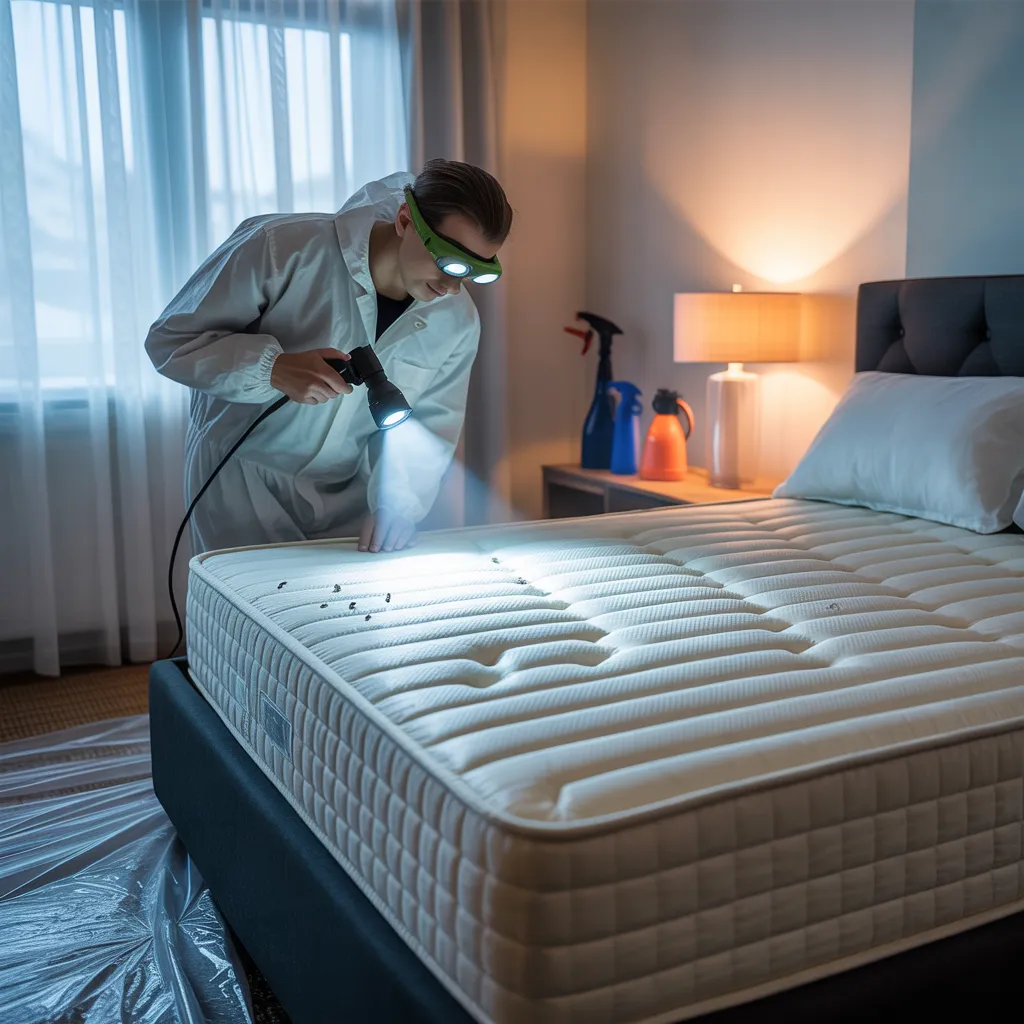
Effective pest control is vital for preserving a clean and healthy household. Common pests including rodents, insects, and termites can create substantial dangers not only to physical structures but also to the well-being of residents. These troublesome intruders can pollute food stores, carry harmful diseases, and provoke allergic responses. Moreover, the structural damage caused by pests, particularly termites can result in expensive renovations and a reduction in property worth.
Homeowners often overlook the importance of consistent pest prevention, believing occasional sightings are manageable. That said, prompt discovery and steady protective steps can reduce the risk of serious infestations. An active pest control strategy ensures a healthier home environment and promotes overall health.
Furthermore, pest control contributes to a sense of security, enabling households to concentrate on everyday routines free from the worry of potential pest issues. In the end, committing to professional pest control is crucial for maintaining a healthy and protected household.
Essential Steps to Keep Pests Out
Even though pests can enter any residence, implementing essential preventive measures significantly decreases the probability of infestations. Residents are advised to begin by closing gaps and openings in walls, windows, and doors, which function as entry routes for unwelcome intruders. Regularly inspecting and repairing screens can further prevent pests from gaining access.
Keeping a clean environment is essential; food should be stored in airtight containers and spills promptly cleaned. In addition, homeowners ought to tend to their outdoor areas by cutting back vegetation and maintaining clear gutters to remove possible nesting locations.
Correct waste handling, using tight-fitting lids on garbage cans, further minimizes attractants. It is also advisable to store firewood away from the home, as it has the potential to provide refuge for pests. Finally, regular inspections by pest control professionals are able to detect weak points and offer customized remedies, guaranteeing a preventative strategy against pest infestations.
Common Household Pests and Their Risks
Prevalent domestic pests, such as rodents, termites, and cockroaches, present serious health hazards and can result in considerable property damage. These invaders not only carry diseases but also threaten the structural stability of homes. Homeowners should be aware of the serious risks associated with these unwanted pests to properly address their existence.
Common Pest Types
Understanding the different types of common pests is vital for homeowners seeking to sustain a healthy and secure living environment. The most frequently encountered pests include ants, which can infiltrate kitchens in quest for food, and cockroaches, recognized for their resilience and rapid reproduction. Termites present a serious danger to wooden structures, frequently remaining undetected until considerable damage has been done. Rodents, such as mice and rats, not only spoil food supplies but can also chew through wiring, leading to dangerous fire risks. Furthermore, spiders, while generally benign, can be unsettling and some species possess toxic venom. Finally, bed bugs have developed a reputation for infesting sleeping areas, causing discomfort and anxiety. Recognizing these intruders is the first step in efficient pest elimination.
Health Dangers Identified
Common household pests present serious health hazards, often leading to various diseases and allergens. Rodents, as a prime copyrightple, may carry and transmit hantavirus and leptospirosis through their waste and urine, posing serious threats, especially to children and the elderly. Cockroaches have a reputation for provoking asthma and allergic reactions as a result of their droppings and body fragments. In addition, mosquitoes act as transmitters of diseases including West Nile virus and Zika, rendering their presence a serious public health threat. Ants present their own challenges, given that specific species can taint food sources and bring in dangerous bacteria. Although termites are mainly recognized for causing structural damage, their droppings can worsen respiratory conditions when inhaled. Recognizing these health hazards is vital for homeowners who seek to preserve a safe and healthy home environment.
Property Damage Concerns
Beyond posing health risks, pests also represent a significant threat to the structural integrity of homes. Typical home-invading pests like termites, rodents, and carpenter ants can lead to severe damage if not properly controlled. For instance, termites feed on wood and can weaken load-bearing beams, resulting in expensive repair work. Mice and rats are known to chew through electrical wiring, posing serious fire risks while also deteriorating walls and insulation. Carpenter ants bore through wooden structures to establish colonies, gradually compromising the integrity of the building over time. Moreover, moisture-dependent pests including cockroaches can accelerate mold proliferation, compounding structural deterioration. Homeowners must recognize the risks associated with these pests and implement effective control strategies to safeguard their properties from potential damage, ensuring a safe and secure living environment.
Essential DIY Tips and When to Ask for Help?
Homeowners can tackle a wide range of pest concerns using practical DIY methods that make use of commonly accessible materials and strategies. Straightforward approaches like sealing gaps, applying essential oils, or setting traps can greatly reduce the number of pests. As an copyrightple, a mixture of vinegar and water can repel ants, while diatomaceous earth can be distributed in spots where insects are commonly found.
That said, there are situations when DIY methods may come up short. If infestations grow severe or if pests such as termites and rodents threaten structural integrity, enlisting expert assistance becomes critical. Moreover, certain pests may require specialized treatments that are unsafe for the typical resident to deal with independently. Recognizing the limits of DIY techniques is important; acting proactively can preserve valuable time and money. At the end of the day, a balanced approach, blending proven DIY techniques with professional assistance as required, will guarantee a pest-free home.
Environmentally Friendly Pest Management Strategies
For individuals looking for eco-friendly options, eco-friendly pest control strategies serve as powerful substitutes for standard chemical treatments. Residents may make use of organic deterrents like plant-based essential oils, vinegar, and diatomaceous earth to keep pests at bay without relying on dangerous chemicals. These substances can disrupt pest habits and create environments unfavorable for infestation.
Additionally, adding natural predators, including beneficial ladybugs and lacewings, can naturally reduce destructive pest numbers in a natural way. Adding pest-resistant plants, like lavender or marigolds, additionally strengthens a garden's resistance while promoting ecological diversity.
Routine upkeep measures, encompassing sealing entry points and ensuring clean home environments, can greatly reduce the likelihood of pest infestations. When embracing these green approaches, residents can safeguard their properties while also supporting a cleaner ecosystem. Such practices nurture a well-balanced ecological system, ensuring that pest management does not come at the expense of the planet.
How to Maintain a Pest-Free Home Throughout the Year
In order to sustain a pest-free household year-round, property owners ought to adopt seasonal prevention measures designed for particular pests. Routine preventive measures, like blocking potential entryways and ensuring interior spaces remain clean, play an essential role in deterring infestations. Through the integration of these methods, residents are able to build a strong protective layer against uninvited pests.
Year-Round Seasonal Pest Prevention Advice
Even though pests may infiltrate homes at various times, seasonal changes often trigger their activity, making it essential for homeowners to adopt reliable prevention measures throughout the year. During spring, residents should prioritize closing gaps and openings, as insects emerge from hibernation. Warmer summer weather leads to a surge in ants and mosquitoes; thus, routine yard care, including pruning greenery, becomes essential. During the fall season, rodents begin searching for warmth, which means homeowners should copyrightine potential entry gaps near doors and windows. Cold weather in winter calls for heightened awareness of pests looking for heat; insulating pipes and keeping firewood stored away from the home can deter infestations. By tailoring prevention approaches to match each season, property owners can substantially minimize the risk of infestations across every season.
Regular Maintenance Practices
Ongoing maintenance routines are vital for homeowners seeking to preserve pest-free environments in their homes year-round. Routine copyrightinations of the home's outer surfaces can reveal possible entry points, including cracks or gaps around doors and windows. Sealing these openings reduces the likelihood of pests infiltrating the home. Moreover, homeowners should prioritize cleanliness by immediately handling spills and placing food in airtight storage containers. Consistent yard care, which includes pruning shrubs and eliminating debris, further limits the available habitats for pests. Consistently inspecting and clearing gutters stops water from pooling, which can draw in unwanted insects. Lastly, arranging professional pest control evaluations allows for the early identification of problems, supporting a proactive stance on pest management. Together, these methods help create a more secure and pest-resistant living space.
Commonly Asked Questions
How Can I Detect a Pest Infestation in My Property?
To recognize a pest infestation, homeowners should watch for clues such as visible insects, droppings, gnaw marks, or nests. Unexplained damage or strange noises can also be signs of a pest problem in the home.
Are Some Pests More Common During Certain Seasons?
Absolutely, various pests are seasonal. As an copyrightple, termites and ants commonly become active in the spring season, while mice and rats are known to seek cover in autumn. Understanding these seasonal trends allows homeowners to plan and apply efficient pest management strategies across all seasons.
What Are the Signs of a Termite Problem?
Evidence of a termite presence include mud-like tubes on surfaces, hollow-sounding wood, abandoned wings, and frass resembling sawdust. Residents should look into these warning signs as soon as possible about Salt of the Earth Inc. to prevent extensive damage to their property.
How Regularly Should I copyrightine My Home for Pest Activity?
Homeowners should copyrightine their homes for pests at least every three months. Regular inspections make it possible to spot potential infestations early, facilitating prompt intervention. Seasonal changes may also influence pest activity, requiring heightened awareness during the warmer season.
Can Animals Attract Pests Into Your Home?
Pets are known to attract pests into a household. Their coat, waste materials, and food scraps offer favorable conditions for bugs and rodents, making regular grooming and cleaning essential to minimize pest-related issues associated with pet ownership.